CVE-2025-10228 | Session Fixation in Rolantis Agentis Framework (< v4.44)
Published: October 14, 2025
Researcher: Onurcan Genç Independent Security Researcher
CVE: CVE-2025-10228
USOM Advisory: TR-25-0336
Summary
| Field | Value |
|---|---|
| CVE ID | CVE-2025-10228 |
| Product | Rolantis Agentis Framework |
| Vendor | Rolantis Information Technologies |
| Affected Version | Before v4.44 |
| Vulnerability Type | CWE-384: Session Fixation |
| CVSS v3.1 Score | 8.8 (High) |
| CVSS Vector | AV:N/AC:L/PR:N/UI:R/S:U/C:H/I:H/A:H |
| Assigned By | USOM / TR-CERT |
| Patch Version | v4.44 |
Background
During a routine visit to gidello.com a travel ticketing platform built on the Rolantis Agentis Framework I noticed a behavioral anomaly in how the application handled user sessions. What started as checking holiday tickets turned into a security finding that resulted in a published CVE.
Agentis is a PHP-based CMS/framework powering multiple web applications. Its technology stack includes:
- Frontend: Bootstrap 3.3.4 + jQuery 1.10.2
- Backend: PHP with
PHPSESSIDcookie-based session management - Framework bundle:
libs.2.0.1.jsserved via CDN (cdn.trav3l.net)
Vulnerability Description
The application fails to regenerate the session identifier (PHPSESSID) after a successful authentication event. This is a textbook Session Fixation vulnerability (CWE-384).
An attacker can exploit this in two ways:
Scenario A: Session Fixation (pre-auth):
- Attacker obtains a valid session ID from the application (e.g., by visiting the login page)
- Attacker tricks the victim into using that same session ID (via URL parameter, XSS, or network-level manipulation)
- Victim authenticates with the pre-set session ID
- Attacker now controls an authenticated session without ever knowing the victim's credentials
Scenario B: Session Hijacking (post-auth):
- Attacker intercepts or obtains the victim's
PHPSESSIDvalue (via network sniffing, XSS, or physical access) - Attacker copies the cookie value into their own browser
- On page reload, the attacker is fully authenticated as the victim
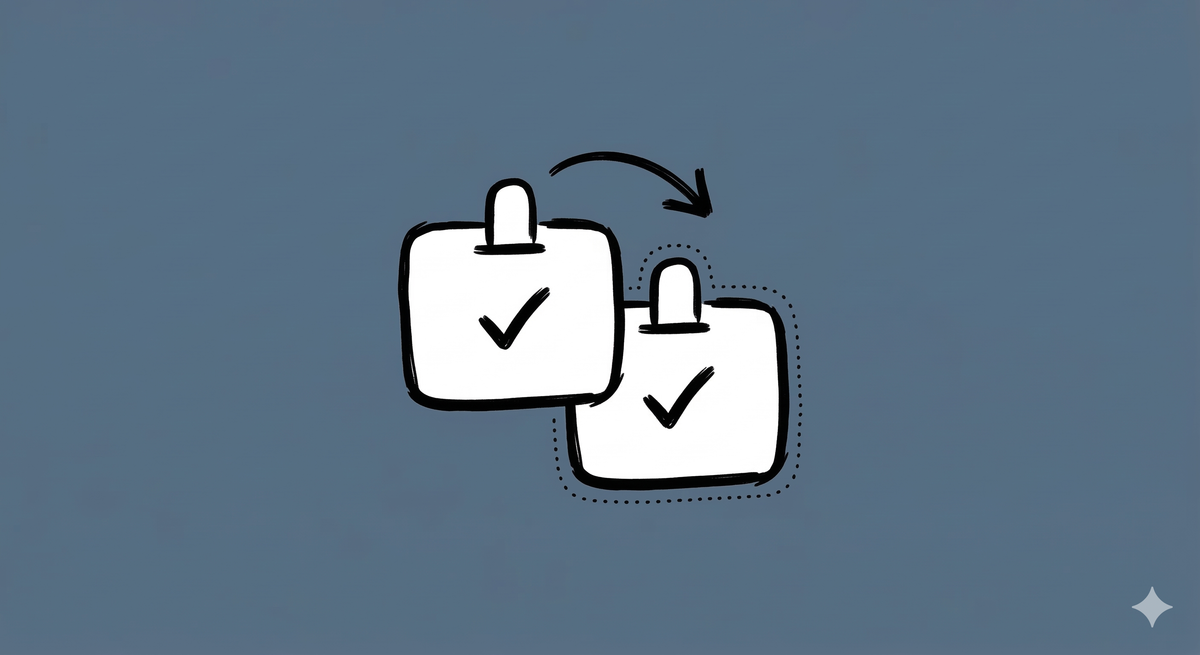
I demonstrated Scenario B directly:
- Logged into gidello.com with my own account
- Observed the
PHPSESSIDcookie in browser DevTools → Application → Cookies - Opened a second browser (no active session)
- Manually set the
PHPSESSIDcookie to the value from step 2 - Refreshed the page, the second browser was now fully authenticated as my account
No credentials were required in the second browser.
Technical Analysis
Root Cause
PHP applications must call session_regenerate_id(true) immediately after verifying user credentials. Agentis did not implement this, meaning the same session token was valid before and after authentication.
// Vulnerable pattern (simplified):
session_start();
if (authenticate($username, $password)) {
    // Session ID is NOT regenerated here vulnerable
    $_SESSION['user_id'] = $user['id'];
}
Cookie Security Flags
Additionally, the PHPSESSID cookie was missing critical security flags:
| Flag | Status | Risk |
|---|---|---|
Secure |
Missing | Cookie transmittable over HTTP |
HttpOnly |
Missing | Accessible via JavaScript (CWE-1004) |
SameSite |
Not set | CSRF exposure |
The combination of missing session_regenerate_id() and absent cookie flags creates a compounded attack surface.
Proof of Concept
Note: This PoC was conducted exclusively on my own account in a production environment, using non-destructive read-only verification. No other user accounts were accessed. Immediately reported to USOM under responsible disclosure.
Step 1: Normal Login
Logged into the application. The PHPSESSID cookie was set in the browser.
Step 2: Observe Session Cookie
Cookie: PHPSESSID=<session_value>
Captured via Browser DevTools → Application → Cookies.
Step 3: Second Browser (No Session)
Opened a fresh browser profile. No active session.
Step 4: Transfer Cookie
Set the same PHPSESSID value in the second browser via DevTools.
Step 5: Result
Refreshed the page in the second browser. Full authenticated access was granted no username, no password required.
Impact
- Session Hijacking: Any user whose session ID is intercepted can be fully impersonated
- Authentication Bypass: Attacker can bypass the login form entirely if they can influence the victim's session ID pre-authentication
- Account Takeover: Full access to the victim's account including personal data, booking history, and payment information
- CVSS 8.8 High reflects the high confidentiality and integrity impact, with no privileges required for the attacker
Remediation
Primary Fix: Regenerate Session ID After Login
// login.php
session_start();

if ($auth_success) {
    session_regenerate_id(true); // true = delete old session
    $_SESSION['user_id'] = $user['id'];
}
Secondary Fix: Clean Session Before Login
session_start();
session_unset();
session_destroy();
session_start();
This ensures every visitor to the login page starts with a fresh session ID.
Logout: Fully Destroy Session
session_unset();
session_destroy();
setcookie(session_name(), '', time() - 3600, '/');
Cookie Security Flags
session_set_cookie_params([
    'lifetime' => 0,
    'path'     => '/',
    'domain'   => '.gidello.com',
    'secure'   => true,
    'httponly' => true,
    'samesite' => 'Strict',
]);
session_start();
Timeline
| Date | Event |
|---|---|
| Aug 18, 2025 | Vulnerability discovered during routine use of gidello.com |
| Aug 18, 2025 | Reported to USOM (TR-CERT) with full technical details and PoC screenshots |
| Aug 2025 | USOM acknowledged and responded with remediation guidance request |
| Aug 2025 | Researcher provided detailed remediation recommendations to USOM |
| Oct 14, 2025 | CVE-2025-10228 published by USOM/TR-CERT as CNA |
| Oct 14, 2025 | NVD published the CVE record |
| Before v4.44 | Vendor patched the vulnerability |
Disclosure
This vulnerability was discovered and reported in full compliance with responsible disclosure principles. The finding was submitted exclusively to USOM (TR-CERT) the appropriate national authority before any public disclosure. No user data was accessed or exfiltrated. The PoC was limited to the researcher's own account.
References
- NVD: CVE-2025-10228
- USOM Advisory TR-25-0336
- CWE-384: Session Fixation
- CWE-1004: Sensitive Cookie Without HttpOnly Flag
- OWASP: Session Fixation
About the Author
Onurcan Genç: Offensive Security Researcher
Security+, eWPT, eWPTXv3, C-AI/MLPen
6 published CVEs via MITRE and USOM
- GitHub: github.com/onurcangnc
- LinkedIn: linkedin.com/in/onurcangenc
- Blog: blog.onurcangenc.com.tr